Stable Equilibrium
After a small disturbance, the system naturally returns to its original state, like a ball settling back into a bowl.
Equilibrium
From physics to philosophy, equilibrium describes a state where forces and influences are evenly matched.
Equilibrium is the condition in which opposing influences are balanced so that no net change occurs. In everyday language it evokes calm, steadiness, and a sense of things being “just right.”
In science, it is more precise: chemical equilibrium occurs when forward and reverse reactions happen at equal rates, and thermal equilibrium occurs when two objects have the same temperature.
A useful way to think about equilibrium is that it is not the absence of motion, but a balance of processes. The system can be active while overall conditions remain steady. This idea appears across disciplines, from ecosystems maintaining populations to economies stabilizing prices.
Different systems reach balance in different ways. These categories show how equilibrium can be stable, unstable, or maintained by ongoing exchange.
After a small disturbance, the system naturally returns to its original state, like a ball settling back into a bowl.
A slight disturbance leads away from balance, like a ball balanced on a hilltop.
After disturbance, the system remains in its new position without returning or moving further, like a ball on a flat surface.
Opposing processes continue but balance out over time, as in chemical reactions with equal forward and reverse rates.
The word comes from Latin aequilibrium meaning “equal balance,” from aequus (equal) and libra (a balance or scale).
Early physics used equilibrium to describe balanced forces on levers, beams, and simple machines.
Thermodynamics adopted the term for systems with no net change in energy or matter distribution.
Today equilibrium appears in ecology, economics, psychology, and everyday speech to describe steady, balanced conditions.
Equilibrium is often visualized through symmetry, still water, balanced stones, and perfectly poised shapes.

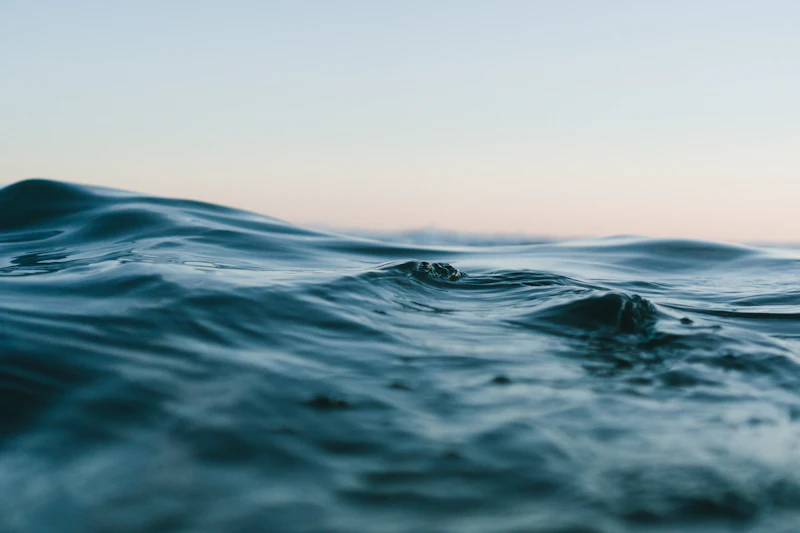

When forces cancel out, objects rest or move at constant velocity. This is mechanical equilibrium.
Reactions reach equilibrium when forward and reverse rates are equal, producing stable concentrations.
Homeostasis keeps organisms balanced, regulating temperature, fluids, and energy levels.
Markets can reach equilibrium when supply and demand align, stabilizing prices.
Emotional equilibrium refers to steady, resilient mental states that cope well with change.
Visual balance distributes weight, color, and space to create harmony in layout.
In a healthy lake, nutrients, sunlight, and oxygen tend to settle into a dynamic equilibrium. Plants and algae grow, fish consume them, and bacteria recycle nutrients. Seasonal changes shift the system, but feedback loops pull it back toward balance.
When nutrient levels spike, algae blooms can push the system out of balance. Restoring equilibrium requires reducing inputs and letting natural processes recover.